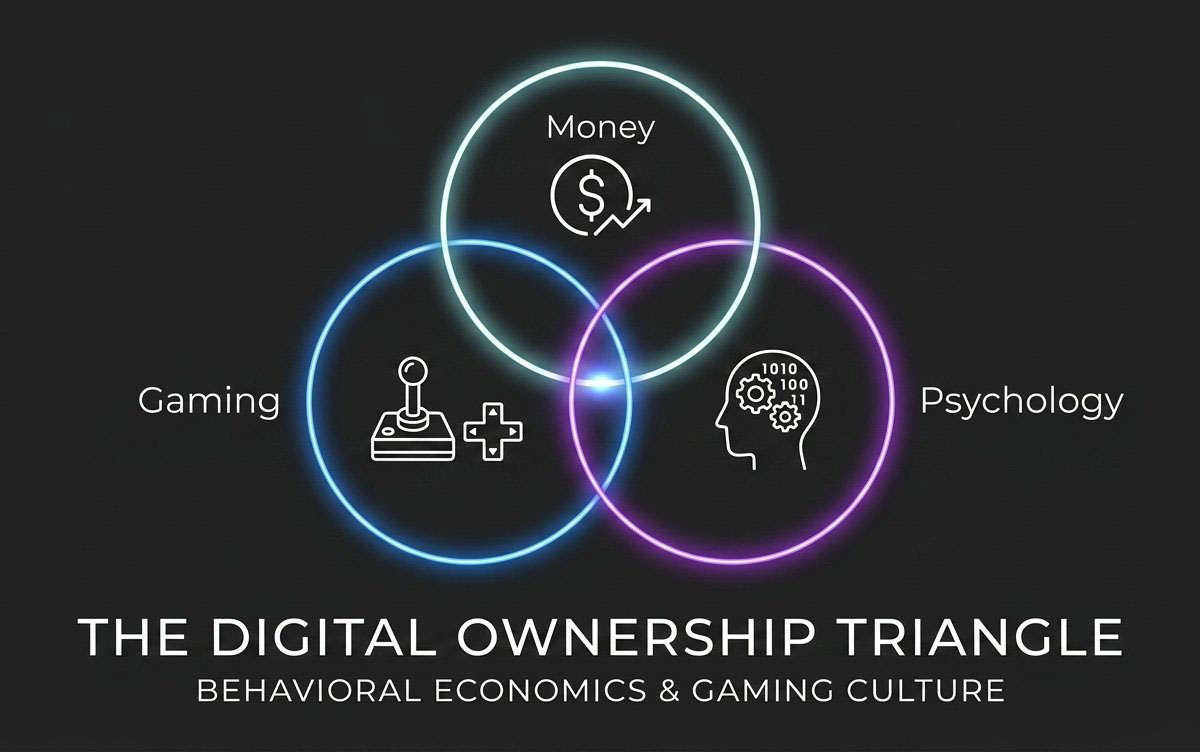
The traditional rules of shopping have completely changed. In the past, people bought items early because physical store shelves could run out of stock. Today, the modern digital pre-order market deals in video games and media files that are mathematically infinite and can never sell out Even though physical scarcity is gone, the consumer rush to hand over money months in advance has only grown faster.
This article offers a neutral, comprehensive investigation into our modern digital landscape. We examine this trend across thirteen core topics, split into four distinct sections.
First, we analyze the hidden psychological triggers driving individual consumers to buy early. Second, we look at the financial divide between everyday gamers and content creators. Third, we map out the changing corporate strategies and legal frameworks governing digital property rights. Finally, we explore the broader cultural shift toward a subscription-dominated society.
By matching real community comments with established behavioral data, we look past standard internet arguments. This report uncovers the true structure of modern digital ownership.

The Consumer Mindset (The $70 Illusion)
This initial section explores the psychology of the digital pre-order loop. We analyze how individual cognitive triggers and engineered emotional pressure combine to override traditional financial common sense before a game is even launched.
The Psychology Behind a Digital Pre-Order
The immediate urge to buy, anticipation, excitement, and wanting to download early.
When physical supply limits no longer exist, purchasing software early becomes a psychological conflict driven by the immediate urge to buy, the emotional highs of anticipation, and the tactical desire to download files early.
The Immediate Urge to Buy (The Dopamine Hit)
The first psychological trigger is an intense, chemical craving. Consumers feel a strong urge to click the purchase button the exact second a studio announces a game. Consequently, this action turns a standard financial transaction into an instant emotional reward.
👤 The Topic Creator: Questioned why gamers race to hand over money so far in advance for infinite digital files before even seeing gameplay:
“It is wild how people just love to spend money… What is the psychological trigger behind the immediate urge to buy?”
✅ The Supporter: Validated the creator’s psychological theory, admitting that pre-ordering is driven entirely by raw excitement rather than logic:
“True, but that’s why I think people preorder, other than them just being hyped for the release.”
❌ The Critic: Pushed back heavily against the thread, dismissing the psychological analysis and aggressively defending digital purchasing:
“You’re just a butthurt Redditor who can’t accept that physical media is dead. It’s about convenience. Do you want a gold star for this post?”
The Psychological Breakdown: Decoding the Room
Why the Topic Creator is Fascinated: The creator is looking at the situation through cold, rational logic. They see a digital file as an infinite resource that cannot sell out, making an early transaction mathematically pointless. To them, this immediate urge to complete a digital pre-order represents a complete loss of consumer control.
Why the Supporter Agrees: The supporter is pointing to Anticipation Hype. In psychology, the brain often secretes more dopamine during the anticipation of a reward than during the reward itself. Clicking “Buy Now” acts as a physical anchor for the fan, allowing them to instantly tether themselves to the excitement of the upcoming cultural event.
Why the Critic Lashed Out: The critic’s aggressive response represents a classic case of Defensive Consumerism. When people feel called out for an irrational behavior, they experience deep Cognitive Dissonance. They secretly know that digital pre-ordering is unnecessary. Therefore, to protect their ego from corporate manipulation, they attack the creator’s character. They quickly reframe their impulse buy as a smart choice wrapped in convenience.
Anticipation and Excitement (The “Digital Christmas” Effect)
The second psychological trigger relies on prolonged excitement. For many gamers, the months spent waiting for a locked-in game are just as pleasurable as actually playing it, turning a commercial product release into a personal holiday.
👤 The Topic Creator: Sparked a general inquiry into the community’s emotional vulnerabilities when dealing with unreleased games:
“What is the psychology behind that willingness to pre-order games?”
✅ The Supporter: Defended the urge by comparing it to childhood holiday magic and emotional attachment:
“We like the feeling of anticipation. It’s like waiting for Christmas and knowing that you’ll certainly get something… It’s a psychological foreplay that we give ourselves that something great awaits and we have secured our position to obtain it.”
❌ The Critic: Aggressively dismantled the festive fantasy by bringing up the cold reality of infinite digital supply chains and historical launch disasters:
“Except your ‘position’ is already secured because digital copies are mathematically infinite. Treating a marketing trap like ‘Santa Claus’ is exactly why publishers feel safe releasing broken day-one garbage.”
The Psychological Breakdown: Decoding the Room
Why the Topic Creator is Fascinated: The creator wants to understand the shift from traditional consumer logic to emotion-driven buying habits, highlighting how modern internet spaces naturally fuel immediate, pre-release financial commitments.
Why the Supporter Agrees: The supporter highlights the concept of Dopamine Trailing. In neuroscience, dopamine isn’t just released when we attain a reward—it actually spikes much higher during the pursuit and anticipation of that reward. Securing a digital pre-order acts as a mental anchor. Consequently, this mechanism extends that highly pleasurable state of anticipation for months on end.
Why the Critic Lashed Out: The critic displays a protective barrier known as Consumer Protection Cynicism. Past industry disappointments like Cyberpunk 2077 have clearly burned their trust. Therefore, they view emotional vulnerability as a danger to the entire gaming market. They see the supporter’s childhood excitement as a naive form of compliance that rewards corporations for shipping unfinished software.
Wanting to Download Early (The Illusion of Zero Friction)
The final psychological trigger is the practical excuse the brain manufactures to justify spending money early—the absolute obsession with conquering the download barrier to play the exact minute a game unlocks.
👤 The Topic Creator: Sparked the discussion out of genuine confusion over why traditional physical buying habits are being forced into a digital era:
“Why people pre-order DIGITAL games when there’s no physical media to be delivered?”
✅ The Supporter: Defended the immediate purchase by pointing to bandwidth optimization and immediate midnight access as the ultimate deciding factor:
“For me, it’s 100% about eliminating the download barrier. I have a slower internet connection, so pre-loading massive files days in advance means I get to play the exact second the clock strikes midnight.”
❌ The Critic: Blew past the practical excuse, calling out the behavior as mindless consumerism and warning that launch-day infrastructure shatters the dream:
“Buying a digital product early for a meaningless cosmetic item is just brain dead consumerism. This is a total illusion. You bypass a download window just to stare at a ‘Server Error’ screen at 12:05 AM because authentication servers always crash anyway.”
The Psychological Breakdown: Decoding the Room
Why the Topic Creator is Fascinated: The creator analyzes the situation through the lens of Anachronistic Habituation. Historically, publishers invented the digital pre-order system to mimic physical scarcity. It ensured a retail store did not run out of discs. Carrying this behavior over to infinite digital assets highlights an irrational glitch in modern consumer habits.
Why the Supporter Agrees: The supporter is responding to Friction Minimization Anxiety. In convenience psychology, any barrier between a consumer and their desired reward feels like a painful penalty. Pre-loading allows the buyer to mentally eliminate that download barrier, creating an illusion of total control over the launch minute to satisfy their immediate urge.
Why the Critic Lashed Out: The critic addresses Hyper-Consumerist Exploitation. They see that publishers successfully weaponize a player’s impatience. Companies attach trivial pre-order bonuses to trigger a severe fear of missing out. The critic lashes out because giving corporations full revenue before reviews drop removes the financial pressure on developers to ship stable products.
The Psychological Pain of Loss Aversion
The fear of missing out (FOMO). Even though digital files can’t run out, the brain treats missing a digital pre-order as a physical loss.
👤 The Topic Creator: The creator sparked a conversation about launch anxiety. Specifically, they feel intense panic when skipping a major release night. This occurs despite knowing the game remains permanently available.
“Why does it feel so bad to wait a week to buy a new game? Intellectually, I know the digital file isn’t going anywhere and it won’t run out of stock. But I feel this immense panic if I’m not playing it at the exact minute it drops.”
✅ The Supporter: Admitted that the immediate purchase has less to do with the actual code and everything to do with wanting to actively participate in the live cultural event:
“I mean, playing it right away on day one is generally a good reason. If you don’t play at launch, you miss that initial wave of discovery with the community. You just want to experience the hype with everyone else before the internet moves on.”
❌ The Critic: Pushed back against the panic, arguing that patience is always rewarded and that the launch-week experience is mostly a marketing trick:
“Companies are deliberately preying on your FOMO with worthless extras. It’s mathematically better to just wait a few months or a year to get a heavy discount, all DLCs included, and the bugs fully fixed.”
The Psychological Breakdown: Decoding the Room
The Supporter and “Loss Aversion Theory”: In behavioral science, Loss Aversion highlights a distinct human pattern. The emotional pain of losing an asset feels twice as powerful as the joy of gaining it. Consequently, the supporter’s anxiety proves that gamers do not fear missing the software itself. Instead, they are terrified of losing Social Capital. They want to secure the temporary window to discover a new world alongside the collective internet culture.
The Critic and “Rational Patient Gaming”: The critic operates from a place of clear cognitive filtering. They view the game strictly as a piece of software utility rather than an emotional event. By actively resisting the initial social pressure, they neutralize the psychological trap of artificial urgency, letting them focus purely on financial value and software stability.
The Shift to “Experiential Scarcity”: This specific debate reveals a major shift in modern digital marketing. Publishers can no longer trick your brain using physical supply limits. Therefore, they manufacture a strict scarcity of time. They force the player to view a delayed entry as a permanent cultural loss. As a result, this strategy turns our evolutionary fear of social exclusion into immediate, day-one company profit.
Pre-Order Bonuses as “Micro-Transactions”
How companies manipulate that psychology by locking small items (outfits, early access) behind the pre-order wall.
Developers frequently lock cosmetic upgrades or early access windows behind a pre-order button. Consequently, online spaces heavily debate these practices. Gamers clash over whether these items are a harmless reward or an aggressive monetization trap.
👤 The Topic Creator: Queried the community about why major publishers have transitioned from physical merchandise to gating simple digital assets behind pre-release paywalls:
“So, who else absolutely despises pre-order bonuses? I get wanting to reward loyal fans, but keeping content permanently locked behind pre-orders is ridiculous. Why can’t we just earn outfits through standard gameplay anymore?”
✅ The Supporter: Defended the practice by arguing that these bonuses provide an easy, cost-effective upgrade to the basic launch-day package without hurting the core experience:
“Pre-order bonuses for ultimate editions are just cosmetics anyway. If you already know you love the studio and plan to play the game on day one, getting a unique outfit or early access for the exact same entry price is just a free, cool extra.”
❌ The Critic: Strongly countered that this practice is a predatory industry loophole designed to manipulate completionists and hide micro-transactions:
“It bugs me when games don’t let people buy deluxe content and pre-order bonuses separately later. Gating specific items forever exploits completionists and uses FOMO to force you into a blind transaction for digital trinkets before reviews are even published.”
The Psychological Breakdown: Decoding the Room
The Supporter and “The Foot-in-the-Door Phenomenon”: The supporter’s logic reflects a classic behavioral pattern. Specifically, it mimics the foot-in-the-door sale tactic. By presenting a cosmetic skin as a free bonus, the publisher reduces initial consumer resistance. Therefore, the buyer rationalizes that they are maximizing their transaction value. This reduces the perceived financial risk of completing a digital pre-order for unreviewed software.
The Critic and “Micro-Transaction Boundary Gating”: The critic highlights a calculated corporate tactic. Publishers successfully use pre-order windows as early-stage micro-transactions. In monetized game design, locking small items behind expiration dates triggers severe loss aversion. Therefore, the consumer evaluates the purchase through a lens of artificial scarcity. They are not buying software. Instead, they are spending money to prevent an incomplete library.
The Weaponization of “In-Group Status”: This structural friction exposes how modern game companies manipulate social dynamics. Gating items creates a clear division between players on launch day. By wearing an exclusive outfit or logging in 72 hours early, the player buys into a temporary sense of elite status. Consequently, publishers successfully convert this social desire into guaranteed pre-launch capital.
The Financial Divide (Who Actually Profits?)
This section bridges the gap between consumer habits and internet market realities. We examine the stark financial contrast between regular players taking on major risks and content creators turning launch day into a business investment.
The Regular Consumer: Pure Financial Loss on a Digital Pre-Order
The math for the average person. Taking 100% of the risk for bugs/broken games with zero financial reward.
Public gaming spaces frequently clash over whether a digital pre-order represents a safe purchase or a terrible financial investment for the average buyer.
👤 The Topic Creator questioned why gamers race to spend money early on infinite digital files before seeing gameplay:
“It is wild how people just love to spend money… What is the psychological trigger behind the immediate urge to buy?”
✅ The Supporter defended the transaction by pointing out store refund windows as a safety net against financial loss:
“There is little-to-no financial risk if you are actually willing to use the refund system. Digital storefronts allow you to return a game automatically within a specific play-time window. If you buy a game you know you want anyway, you can just test it and get your money back if it is a broken mess.”
❌ The Critic strongly countered that early sales remove corporate accountability and damage the buyer long-term:
“The refund argument completely ignores reality. When you pre-order, you give studios guaranteed upfront sales. This immediately tells them they can get away with cutting corners and patching bugs later. You are paying full price to act as an unpaid beta tester for a broken product that will be half off in a few months anyway.”
The Psychological Breakdown: Decoding the Room
The Supporter and the Risk Mitigation Fallacy: The supporter relies heavily on automated refund windows. Consequently, this choice highlights a major cognitive bias where consumers overestimate their future discipline. Publishers understand this pattern. Therefore, they know that friction, inertia, and post-purchase rationalization stop most buyers from processing returns. As a result, everyday consumers tolerate massive performance bugs simply because the mental effort of a refund feels worse than keeping a broken product.
The Critic and Asymmetric Risk Distribution: The critic correctly maps out how a digital pre-order creates a core structural imbalance known as asymmetric risk. In standard commerce, a producer carries the financial burden of delivering a working product to secure a profit. However, pre-orders reverse this relationship entirely. Because the publisher secures millions in guaranteed cash using pure marketing hype, they successfully shift all launch-day financial consequences onto the buyer.
Market Realities of Launch Capital
The Devaluation of Launch-Window Capital: This debate exposes a severe mathematical loss for regular buyers. Specifically, a standard consumer spends maximum money at launch for the absolute worst version of the software. They face immediate crashes, server queues, and design flaws. Meanwhile, a patient consumer spends less money months later to buy a fully patched product. Therefore, the immediate urge to buy forces everyday gamers to pay a premium to fund basic development testing.
The Influencer: Turning a Digital Pre-Order Into an Investment
The opposite side. Why pre-ordering is a smart, tax-deductible business expense for streamers who turn Day One views into cash.
The financial math behind a digital pre-order reverses completely for professional content creators. Consequently, this changes a standard retail purchase into a highly profitable business asset.
The Business Mechanics: How Creators Turn Hype into Capital
The Day-One View Premium: Streamers and YouTubers rely on launch-night coverage to drive audience growth. Because content algorithms aggressively favor early videos, early streaming generates massive waves of ad revenue. Therefore, sponsorships and viewer donations easily cover the initial cost of the game.
The Tax-Deductible Asset: Modern tax codes classify items bought explicitly to generate income as ordinary business expenses. Because content creators operate as formal media businesses, their game purchases function as legitimate tax write-offs. Furthermore, this deduction applies directly to deluxe game editions, consoles, and capture equipment.
Analyzing the Economic Disparity
Asymmetric Financial Incentives: This economic model creates a massive structural gap between regular players and professional creators. For instance, regular consumers spend cash to consume media, absorbing all product risks. On the other hand, influencers spend cash to produce media. They use the game as raw material to generate direct financial returns regardless of launch quality.
Hype-Cycle Capitalization: In behavioral economics, value ties directly to timing. For a regular player, a game offers the exact same utility on day one or six months later. However, for an influencer, the value of the asset decays every single hour after servers launch. Therefore, completing a digital pre-order acts as a mandatory business cost to beat search algorithms.
Risk Insulation Through Content Creation: This dynamic completely insulates creators from the financial pain of broken launches. If a game launches with severe bugs, a regular buyer experiences total frustration. Conversely, for a creator, broken games often generate more traffic. This happens because cynical review videos, glitch compilations, and outrage commentary frequently outperform standard gameplay footage in the monetization algorithm.
The Exploitation of the Fanbase
The commentary. How corporations use influencer hype to make regular consumers feel like they must buy early too.
When publishers leverage early creator access and sponsored streams to build pre-release momentum, online gaming communities heavily debate whether this marketing is a harmless hype cycle or a calculated corporate trick.
👤 The Topic Creator: Initiated a thread criticizing how corporate marketing teams utilize professional streamers to trigger artificial purchase urgency among regular fans:
“Is anyone else sick of how publishers use massive streamers to push pre-orders? They give influencers early access and free copies to generate endless hype videos. It creates this toxic environment where regular fans feel like they aren’t part of the community unless they drop $100 early too. It feels like total exploitation.”
✅ The Supporter: Defended the social dynamic, viewing influencer content as a valuable, transparent tool that helps fans make a deliberate purchasing choice:
“No one is forcing you to buy anything. Streamers are just showing gameplay and sharing their genuine excitement for a franchise they love. If anything, watching your favorite creator play the game early gives you a clearer preview of what you are actually paying for before you make a decision.”
❌ The Critic: Strongly countered the defense, explaining how parasocial relationships are weaponized to mask financial risk for the average consumer:
“That is completely missing the point. The influencer is playing an early, highly polished build or getting paid for a sponsored stream. Corporations know that fans have a deep emotional connection to these creators. By flooding your feed with early footage, they trick your brain into thinking a launch is a mandatory cultural party, offloading all the risk of a broken day-one game onto you while the streamer walks away with ad revenue.”
The Psychological Breakdown: Decoding the Room
The Supporter and “The Information Cascade Effect”: The supporter’s perspective demonstrates a cognitive pattern known in behavioral economics as an information cascade. When a consumer sees public figures openly participating in a trend, they subconsciously interpret that behavior as a signal of safety and quality. The buyer rationalizes that if their trusted creator is invested, the product is validated, effectively neutralizing their natural skepticism toward corporate marketing.
The Critic and “Parasocial Exploitation”: The critic correctly identifies the weaponization of parasocial relationships. In modern media psychology, viewers develop strong, one-sided emotional bonds with internet creators, viewing them as peers rather than corporate billboards. Publishers exploit this psychological blind spot. By placing an unreleased product in the hands of a trusted influencer, the corporation transfers the creator’s personal credibility onto the corporate brand, successfully converting social trust into immediate, pre-release company revenue.
The Manufacture of “Simulated Belonging”: This social friction exposes a highly calculated structural trap. Human beings possess an evolutionary drive toward group conformity and shared cultural rituals. By engineering an ecosystem where early access is highly visible but gated behind a financial wall, corporations create a state of artificial exclusion. The regular consumer doesn’t click pre-order out of a logical desire for the software. They do it to relieve the psychological anxiety of being left out of a live, global community event.
The Corporate Playbook & The Digital Pre-Order Legal Reality
This section moves past the consumer mindset and financial disparities. Instead, we examine the legal mechanics and corporate strategies that dictate modern digital commerce. Specifically, we analyze why publishers prioritize digital pre-order sales and upfront capital over polished launches. Furthermore, we trace the shifting evolution of consumer trust and expose strict legal loopholes. This shows exactly what happens to your digital property rights after you click buy.
The Corporate Strategy: Why Do Companies Push It?
Mitigating bad launch reviews, securing guaranteed millions before launch, and pleasing shareholders.
Shifting consumer behavior toward pre-orders represents a highly calculated corporate mechanism. From a strategic accounting perspective, executives use this tool to stabilize company revenue. Consequently, it allows them to manipulate market perception and lower standard macroeconomic risks.
The Corporate Architecture: The Financial Power of Pre-Launch Capital
Securing the Earnings Baseline: Modern game development is incredibly capital-intensive. Projects frequently require hundreds of millions of dollars over multi-year cycles. However, aggressively driving a digital pre-order campaign solves this structural challenge. Corporate executives can lock in millions of dollars in guaranteed revenue before a single retail copy shifts. As a result, this practice instantly de-risks the massive initial investment for the parent company.
The Valuation Shield Against Critical Review: In modern media distribution, algorithmic aggregator scores like Metacritic heavily influence public purchase decisions. If a game launches with severe bugs, immediate bad reviews can instantly tank day-one sales. Therefore, securing a digital pre-order allows a corporation to secure a massive portion of its total sales volume early. They lock in profits before independent reviewers, influencers, or consumers can publish warnings about the software’s true operational state.
The Macro-Economic Breakdown: Decoding the Strategy
De-Risking the Quarterly Balance Sheet: The primary driver behind the pre-order push is the corporate pressure to satisfy institutional investors and institutional shareholders. Publicly traded publishers must hit predictable fiscal targets each quarter. Executives successfully convert speculative future demand into hard, pre-launch cash. Consequently, they can comfortably guarantee revenue targets to the board of directors. This strategy shields the company’s stock valuation from launch-day volatility.
The Economics of “Sunk Cost Engagement”: In behavioral finance, securing early consumer capital changes how the buyer behaves long-term. Once a customer pre-orders a deluxe edition, they have established a severe financial commitment. Even if the game releases in an unpolished state, the consumer is statistically less likely to drop out of the ecosystem. Buyers remain engaged simply to justify their up-front cost. Therefore, this behavior creates a captive baseline audience. The company can later monetize these players with micro-transactions or seasonal content updates.
Neutralizing the Pressure for Software Stability: This strategic framework exposes a significant shift in corporate accountability. In a traditional market model, a producer must deliver a functional, highly polished asset to attract consumer money. Pre-ordering completely reverses this economic pressure. A studio secures its critical profit margin months before launch. Consequently, the urgency to deploy extensive internal QA testing and polish the software disappears. Furthermore, executives shift capital away from development stability. They route these funds instead toward pre-launch marketing campaigns.
The Evolution of Trust in Gaming
How blind trust in studios has shifted over time due to famous buggy releases.
Online gaming spaces frequently divide when assessing a studio’s historical track record. Specifically, gamers clash over legacy reputation. They debate whether it warrants pre-release financial loyalty or if consumer trust must remain strictly transactional.
👤 The Topic Creator: The creator initiated a retroactive reflection on the industry. Specifically, they focus on consecutive historical launch failures. These disasters have permanently broken the community’s traditional buying confidence:
“Do you think consumer trust is completely dead in the gaming industry? Years ago, we would blindly buy from top-tier studios because we trusted their brand name. After seeing high-profile, broken disasters from formerly beloved companies, it feels like blind loyalty is a massive mistake. How did we get here?”
✅ The Supporter: Defended the concept of selective brand equity, arguing that specific elite development studios still consistently earn the right to upfront financial trust:
“Trust isn’t completely dead; it has just become specialized. There are still elite studios with incredible track records who have never let their audience down over multiple decades. Pre-ordering from a developer that has consistently proven their commitment to high quality is just a way to support great craft early.”
❌ The Critic: Strongly pushed back, stating that treating corporate entities with emotional loyalty is a fundamental error that directly enables poor development cycles:
“Giving any multi-billion-dollar corporation blind trust based on a game they made ten years ago is pure naivety. Studios are corporate machines, and their talent constantly shifts over time. Famous buggy launches have proven that publishers will cash out on their legacy reputation to ship unpolished software the moment pre-order margins hit their corporate targets.”
The Psychological Breakdown: Decoding the Room
The Supporter and “The Halo Effect”: The supporter’s perspective highlights a common cognitive bias known in behavioral psychology as the Halo Effect. When a consumer has a deeply positive emotional history with a brand’s past products, their brain projects that positive evaluation onto all future unreleased assets. Publishers rely on this mental shortcut. They wrap promotional marketing in nostalgia and legacy imagery to prevent the customer from applying objective, critical scrutiny to a new, unreviewed digital product.
The Critic and “Institutional Betrayal Trauma”: The critic’s stance reflects an empirical shift toward institutional skepticism. In consumer behavior psychology, when an audience experiences repeated, severe violations of an implicit brand promise, it creates a permanent baseline of defensive cynicism. The critic recognizes that corporate restructuring, executive turnover, and developer attrition change a studio over time. Consequently, a modern studio is rarely the same group of creators who built its legendary reputation. Therefore, past performance remains completely irrelevant to current financial risk.
The Decay of the “Reputational Capital” Model: This evolutionary clash reveals a significant shift in corporate value metrics within the digital pre-order market. Historically, studios guarded their reputational capital carefully because a single bad release could permanently destroy long-term retail demand. In the current digital landscape, the speed of pre-launch monetization cycles allows a corporation to rapidly capitalize on accumulated brand equity. Publishers secure massive up-front revenue before public consensus can form. Consequently, the publisher effectively trades long-term consumer trust for immediate, guaranteed balance-sheet liquidation.
The “Licensing” Loophole
The legal truth. Explaining that the “Buy” button doesn’t mean buy—it means renting a temporary digital pass.
A consumer completes a checkout process on a mainstream storefront. However, the transaction does not represent a transfer of tangible property. Legally, a strictly conditional, revocable permission slip replaces the traditional retail transaction.
The Legal Architecture: The Terms of Service Reality
The Mismarked Transaction: Major digital marketplaces enforce strict End User License Agreements. Under these terms, clicking a button labeled “Buy” simply registers an entry on a server database. Furthermore, legal analysts point out that it merely grants a temporary, non-exclusive license. You can only stream or download software as long as the storefront retains the distribution rights.
The Statutory Transparency Shift: This legal reality became highly public following consumer protection legislation known as California Assembly Bill 2426. Widespread industry compliance tracking documents this legislative shift. Specifically, this law explicitly bans companies from using unrestricted ownership terminology. They must display clear, pre-transaction disclosures warning the consumer that they are merely acquiring a revocable license. Because of this change, massive ecosystems like Valve’s Steam Store updated their shopping carts. The checkout screen now explicitly states that a transaction only grants a digital license.
The Macro-Economic Breakdown: Decoding the Loophole
The Decay of First-Sale Doctrine Rights: In traditional consumer economics, the First-Sale Doctrine legally guarantees your right to resell, lend, or gift any physical asset you purchase. Legal scholars note that the licensing loophole completely strips away these traditional consumer rights. You only own a personal account pass rather than an independent copy of the software. Consequently, you are barred from participating in a secondary used-goods market. This leaves the publisher with permanent, unchallenged control over product distribution and pricing.
Corporate Account Discretion: Under modern terms of service agreements, your ongoing access to your library is tethered directly to your account status. Consumer rights reports highlight strict platform rules. If a user violates a code of conduct, encounters a billing issue, or faces an arbitrary ban, the publisher can terminate the account entirely. In a digital licensing model, this means a platform can instantly wipe out a consumer’s entire financial investment. Furthermore, they hold zero legal obligation for compensation or refunds.
The DRM-Free Exception Contrast: The friction around digital ownership highlights a sharp contrast between closed ecosystems and platforms utilizing DRM-free models. E-commerce market reviews note that digital storefronts like GOG have successfully used this legal loophole to alter their marketing strategy. By guaranteeing access to standalone offline installers, they allow users to bypass ongoing server validation. Consequently, this creates a functional equivalent to traditional physical ownership. It proves that digital distribution models can structurally choose between temporary rentals or perpetual access.
Revocation Reality: The Digital Pre-Order License Loophole
Real-world examples where companies deleted games right out of players’ libraries.
While terms of service clauses sound theoretical, multiple major entertainment corporations have actively executed their legal loopholes. They have deleted functional software, films, and media assets completely out of consumer accounts with zero compensation.
Documented Case Studies: The Precedents of Digital Erasure
The Ubisoft Crew Revocation (2024): In March 2024, Ubisoft permanently terminated the online servers for its racing title, The Crew, rendering the software instantly unplayable. Instead of simply letting the game sit as an unlaunchable file on hard drives, Ubisoft went a step further by completely revoking the digital licenses from players’ accounts. Legitimate buyers found the game moved to an “inactive games” category on Ubisoft Connect, blocking users from downloading or hosting private servers. This sparked a class-action lawsuit in California and ignited the global Stop Killing Games consumer movement.
The Sony StudioCanal Deletion (2026): On September 1, 2026, Sony corporate executed a massive video library wipe for PlayStation Network account holders. Due to an expired content licensing agreement with StudioCanal, Sony permanently wiped 551 purchased movies and television shows from users’ video libraries. This affected high-profile titles like Terminator 2: Judgment Day and Pan’s Labyrinth. PlayStation owners who paid full retail prices to digitally own these films received no store credits, no alternatives, and zero financial refunds.
The Macro-Economic Breakdown: Decoding the Risk
The Myth of Local Storage Safety: The StudioCanal and Ubisoft incidents shatter a common consumer assumption regarding local hard drive storage. Many buyers believe that if a digital asset is fully downloaded, it is safely insulated from corporate interference. However, modern digital rights management (DRM) requires regular pinging back to central authentication servers to validate account permissions. The corporate entity eventually updates its server database to flag a license as inactive. At that exact moment, the local software client automatically locks the consumer out. As a result, this process renders locally stored data completely useless.
The Financial Evaporation of Digital Real Estate: From a personal finance perspective, these events highlight a massive asset devaluation. When a consumer buys physical media, that asset holds residual value—it can be sold, bartered, or passed down indefinitely under traditional property protections. In contrast, digital capital can instantly evaporate based entirely on corporate contract negotiations. These discussions happen completely behind closed doors. Therefore, the consumer absorbs 100% of the long-term volatility of corporate licensing agreements while holding zero legal rights to protect their library.
The Legal Precedent of “Permissible Deletion”: In corporate litigation, these deletions have successfully tested the legal limits of consumer agreements. By defeating or deflecting early complaints through EULA terms, publishers have established a dangerous market precedent. Publishers have proven a dangerous point. As long as a platform clearly discloses its terms, it can remove access to functional media. It can bypass consumer protection laws without forcing financial restitution. Consequently, this successful de-risking for corporations lays down the perfect framework to push consumers toward a permanent rental society.
The Subscribed Soul (The Long Game)
This final section presents our macroeconomic synthesis of modern consumer habits. Specifically, we trace how these combined corporate strategies and legal loopholes affect society. The systematic erasure of physical ownership represents a coordinated economic shift. It is not an isolated gaming issue. Instead, companies design these models to turn everyday hobbies into permanent monthly subscriptions.
The Death of the Physical Disc
The systematic erasure of physical media, used to force everyone into digital storefronts.
The elimination of physical retail choices represents a deliberate structural rewrite of consumer access. By removing the physical disc option, publishers completely capture the product life cycle.
The Corporate Architecture: Dismantling the Disc Ecosystem
The Manufacturing Hard Stop: Entertainment giants are systematically shutting down physical assembly lines to force an entirely digital reality. For example, Sony Interactive Entertainment officially announced that it will completely discontinue the production of physical game discs for all new PlayStation releases starting in January 2028 to enforce a digital pre-order landscape.
The Hardware Lock-In: Hardware manufacturers are adjusting next-generation console designs to complement this shift. Corporate leaks and industry tracking reveal major shifts at Microsoft. Specifically, engineers are developing their next-generation platform, Project Helix, as an entirely disc-free console ecosystem. The company plans to heavily push a new disc-to-digital program. This strategy safely migrates legacy physical disc owners into server-dependent database permissions.
The Macro-Economic Breakdown: Erasing the Secondary Market
The Destruction of Secondhand Value: The primary economic driver behind the death of the disc is the corporate desire to eliminate the secondhand used-goods market. In a physical ecosystem, a single disc can be resold, traded, or loaned dozens of times, generating zero additional revenue for the publisher. Publishers force all transactions through a centralized digital storefront. Consequently, this change establishes an absolute market monopoly. Every single transaction must go through the platform. Therefore, this shift permanently eliminates local price competition from pawn shops or thrift stores.
The Implementation of Dynamic Price Monopoly: Once physical retail shelves are entirely removed, corporations gain absolute control over the pricing curve of their assets. In traditional retail, excess physical stock forces stores to clear inventory through massive price cuts. Publishers completely control inventory depreciation in a digital-only marketplace. Consequently, they can artificially hold software at full retail prices indefinitely. Furthermore, executives dictate exactly when, where, and by how much an item gets discounted.
Industry Parallelism
Showing that this isn’t just gaming. It’s Netflix, Spotify, Adobe, and car companies charging for heated seats.
The decline of consumer property rights is not unique to the video game market. It represents a broader macroeconomic playbook being deployed across every sector of modern lifestyle infrastructure.
Cross-Industry Case Studies: The Global Disruption of Ownership
The Software and Media Shift: Traditional software ownership collapsed years ago. For instance, ecosystems like Adobe migrated creative tools from permanent box licenses to the ongoing Creative Cloud rental model. Concurrently, streaming services like Netflix, Apple TV, and Spotify altered the media landscape. They successfully convinced consumers to stop buying physical albums or films. As a result, a perpetual monthly cloud database fee replaced traditional asset accumulation.
The Hardware-as-a-Service Precedent: This structural model has aggressively bled into physical machinery and automotive transportation. Automotive manufacturers like BMW sparked significant public controversy by installing fully functional physical components into vehicles. For example, they installed heated seats but locked the underlying wiring behind an electronic software paywall. Consequently, drivers must pay an ongoing monthly or annual subscription fee. They have to pay extra simply to activate the physical hardware they already purchased at the dealership.
The Macro-Economic Breakdown: The Rent-Seeking Corporate Shift
The Evolution to Permanent Rent-Seeking: In macroeconomics, this cross-industry trend represents a complete transition toward a rent-seeking economic model. In a traditional capitalist framework, a business generates wealth by producing an asset, selling it to a consumer, and using that capital to build the next product. Subscription models allow a corporation to monetize the exact same asset indefinitely. Specifically, companies shift away from a traditional transaction economy. By building a strict rental economy instead, they successfully secure a permanent claim on the consumer’s recurring monthly income.
The Elimination of Consumer Exit Options: This systemic alignment across unrelated industries proves that corporate financial planners are executing a shared playbook. Adobe, Microsoft, streaming platforms, and automotive networks all adopt the exact same software-locked gating mechanisms. Consequently, the consumer loses their primary economic weapon: the power of choice. If every competitor in a market segment removes physical options, the public faces forced compliance. This alignment renders traditional consumer boycotts completely ineffective against industry-wide corporate restructuring.
The Gaming Transition & The Psychological Normalization
The final synthesis. Pre-orders were just the gateway. By breaking down the idea of ownership, companies have successfully normalized paying a permanent monthly subscription just to access your hobbies.
The trajectory of modern consumerism reveals that early behaviors, like the immediate rush to secure a digital pre-order, were never the final destination. Instead, they served as the critical psychological gateway to a much larger economic trap.
The Final Synthesis: The Road to the Subscribed Soul
The Gradual Habituation Process: Over the last two decades, publishers systematically conditioned the public to accept digital vulnerability. First, companies incentivized players to trade physical discs for digital pre-orders using trivial cosmetic bonuses and pre-loading conveniences. Next, platforms introduced multi-tier premium passes like PlayStation Plus and Xbox Game Pass. This strategic shift carefully transitioned the consumer mind. Buyers stopped viewing a game as a permanent lifetime asset. Instead, they began viewing software as a temporary utility stream that requires ongoing platform validation.
The Normalization of Permanent Renting: This incremental shift successfully rewired the modern consumer’s brain. By breaking down the fundamental expectation of property ownership, corporations use the digital pre-order loop to normalize the idea that you must pay a recurring monthly fee simply to access your own personal hobbies.
The Psychological Breakdown: The Final Verdict
The Endgame of Anachronistic Habituation: Our entire investigation brings us back to the core cognitive glitch explored at the start of this report. A lingering, physical-era habit drove the immediate urge to buy a digital pre-order. Specifically, consumers felt a deep desire to secure an item. Publishers masterfully exploited that cognitive shortcut. They successfully used our natural evolutionary drive for ownership to lock us into closed digital storefronts. However, they legally stripped that exact ownership away once they completely destroyed the physical alternatives.
The Manifestation of the Subscribed Soul: Ultimately, the corporate playbook has achieved total psychological normalization. When consumers willingly accept that a multi-billion-dollar entity can arbitrarily delete their purchased media, revoke account access, or charge a monthly fee to turn on a heated seat, the traditional contract of capitalism is broken. The modern buyer has been transformed from an independent property owner into a permanent, dependent digital tenant. By weaponizing our own dopamine loops and fear of missing out, the modern economy has successfully claimed a permanent mortgage over our leisure time, our hobbies, and our cultural souls.



Leave a Reply